Blog

Why Do I Keep Questioning Whether What Happened Was Actually Trauma?
You can tell someone something painful from your childhood and almost immediately explain why it wasn't really that bad. Maybe your parents loved you. Maybe other people had it worse. Maybe calling it trauma feels unfair. So why is it so hard to acknowledge that something affected you?

Why Can I Want Intimacy and Still Pull Away From It?
You can love someone, trust them, and genuinely want intimacy with them. And then something changes. You want space. You freeze. You suddenly do not want to be touched. That contradiction can be confusing, especially when the person you are with has done nothing wrong.

If Nothing That Bad Happened, Why Am I Still Struggling?
Maybe your childhood looked pretty normal. Maybe there is no single event you point to when someone asks what happened. So why do certain relationships, emotions, or situations affect you so deeply? Complex trauma can be confusing precisely because the story is not always obvious.

CPTSD and Attachment: When You Want Connection but Closeness Feels Scary
Complex trauma can create painful contradictions in relationships: wanting closeness while fearing it, craving reassurance while struggling to trust it, or becoming fiercely independent while feeling exhausted from handling everything alone. This article explores those patterns through an attachment-informed lens.

What Does a CPTSD Trigger Feel Like? Signs & Examples
A CPTSD trigger does not always look dramatic. A change in someone’s tone, feeling misunderstood, criticism, distance, or uncertainty can bring up reactions that feel much bigger than the moment itself. This article explores what CPTSD triggers can feel like, why they happen, and what may help.

Hyper-Independence and CPTSD: Why Asking for Help Can Feel So Hard
You’re overwhelmed and wishing someone would notice how much you’re carrying. Then someone finally offers to help, and your immediate response is, “No, I’ve got it.” For people with CPTSD, doing everything alone can be about much more than independence. Sometimes it’s what learned to feel safest.

Why Vulnerability Can Feel Dangerous When You Have CPTSD
You finally open up to someone, and then immediately wish you could take it back. For people with CPTSD, vulnerability can bring up old fears around trust, safety, and being seen. Here’s why shutting down or regretting what you shared may actually be a form of protection.

Can IFS Help If I Feel Numb or Disconnected?
Many people assume emotional numbness means there is something wrong with them. But from an IFS perspective, shutdown and disconnection are often protective responses the nervous system learned long ago. This article explores the “blanking” protector, emotional shutdown in relationships and intimacy, and how IFS therapy helps people approach numbness with more curiosity and less shame.

What is Attachment? | The Blueprint of Safety and Security
Attachment is a biological record of whether you can lean on others or must stand alone. From a toddler’s scraped knee to a middle schooler’s failed friendship, discover how your early environment built the blueprint for your adult relationships.
Was It Even Trauma? Why You Still Feel Stuck (Even When Life Looks Good)
You have a good job, a solid routine, and a life that looks great on paper. Yet, you feel like you’re constantly waiting for the other shoe to drop. You wonder if you’re just "dramatic" or if what happened was actually "bad enough." Let’s talk about the invisible weight of unresolved trauma and why your body doesn't need a diagnosis to feel unsafe.

Why Your Brain Thinks It’s 2012: The Truth About PTSD Flashbacks
You wake up sweating, heart hammering, certain that you’re back there again. It’s 3:00 AM in Lakewood, but your body is convinced it’s five years ago in a room you never want to see again. Why does your brain do this? Let’s talk about the "terrible librarian" in your head and how to start filing those memories away for good.
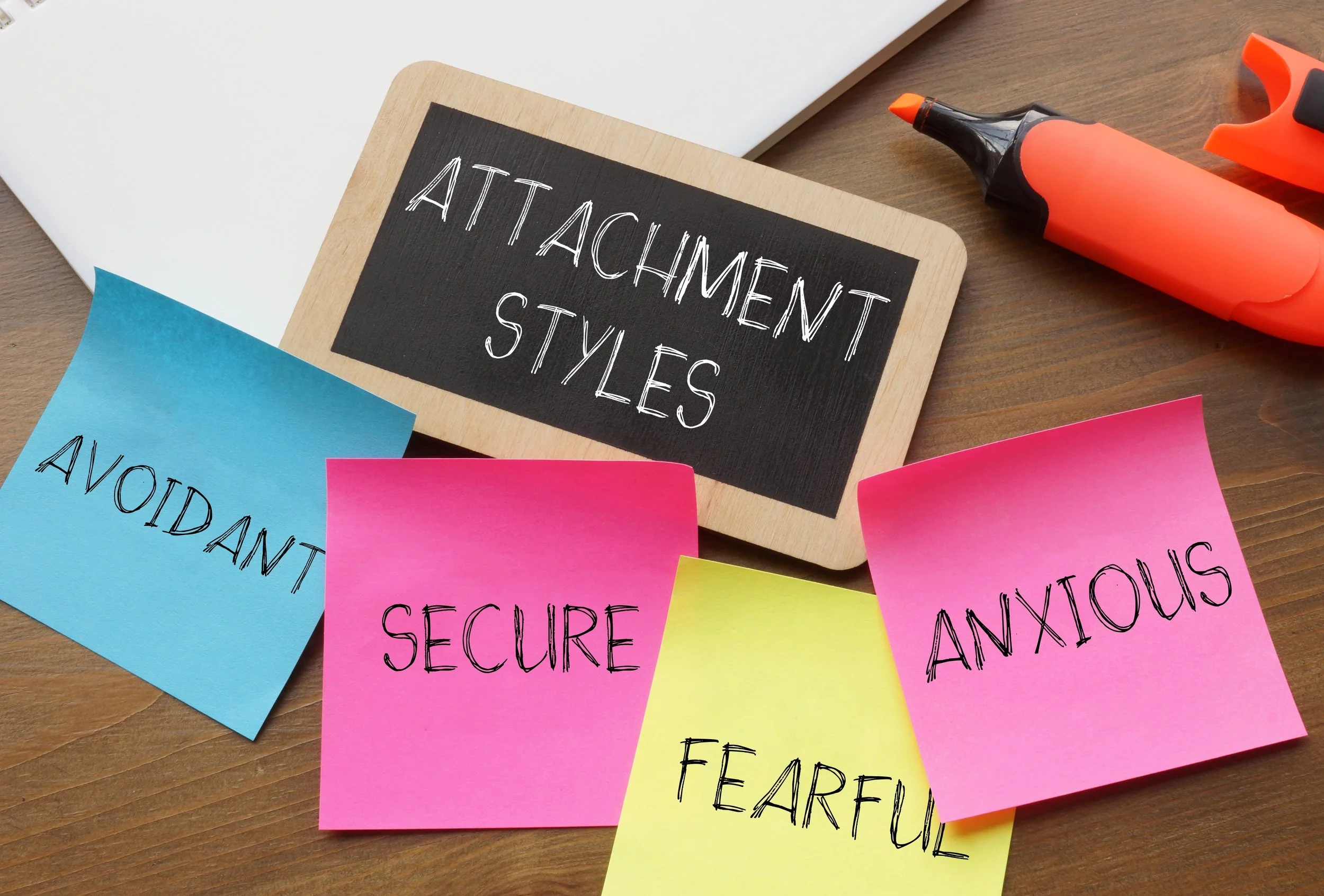
Why Do I Get Attached So Fast? Understanding the Vulnerability Hangover
Getting attached quickly in relationships can feel intense and confusing. Often, it has less to do with the person in front of you and more to do with how your system learned to experience connection.
What to Do When You’re Triggered: How to Calm Down When Your Body Takes Over
Getting triggered can feel like your body reacts before your mind has a chance to catch up. Here is what is actually happening and what you can do in the moment to feel more grounded.

Why Do I Feel Jealous So Easily in Relationships?
Jealousy doesn’t usually start with a big moment. It starts with something small that your system reacts to quickly.
Why Do I Shut Down? Understanding the "Functional Freeze" in Trauma and Recovery
It’s a strange feeling: the lights are on, but nobody’s home. You’re getting through the day, yet internally, you feel miles away. This isn’t a lack of willpower—it’s a "Functional Freeze." Discover why your nervous system hits the emergency brake.
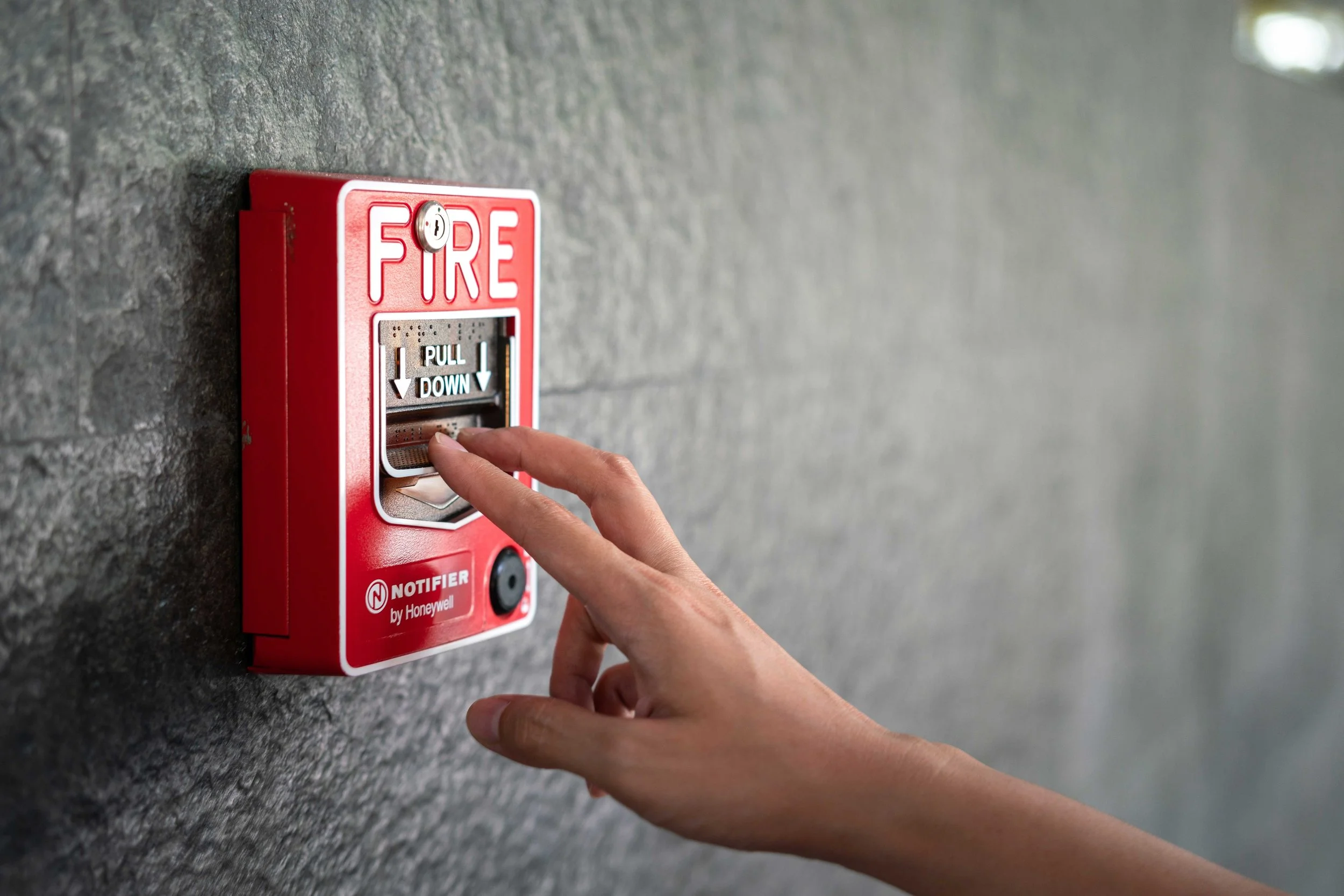
Trauma Triggers: Why Your Body Reacts Before Your Mind
Trauma triggers often make people feel like they are overreacting or losing control. In reality, the nervous system is responding to signals it learned from past experiences. Understanding why these reactions happen can replace shame with clarity and help people begin responding differently.

Am I Overreacting or Is This a Red Flag in My Relationship?
If you keep asking yourself “am I overreacting,” the more important question might be what keeps making you doubt yourself.

Will I Need Therapy Forever? A Real Answer About How Therapy Actually Works
Many people worry that starting therapy means never stopping. In reality, therapy is not meant to be forever. It is a process that helps you build stability, understanding, and support so you can rely less on it over time.

What to Expect From Your First Trauma Therapy Session
Starting trauma therapy can feel intimidating, especially if you are unsure what will happen in that first session. Many people worry they will be expected to talk about painful experiences right away. In reality, the first trauma therapy session is usually focused on understanding what has brought you to therapy, getting a sense of the patterns in your life, and beginning the process at a pace that feels safe and manageable.

Why Are My Siblings Fine and I’m Not
You grew up in the same home, so why do they seem okay and you are not. This question comes up more often than people say out loud, and there is a real answer to it.